
Air-Gapped Crypto Wallet — Hardware Security
XDC Network
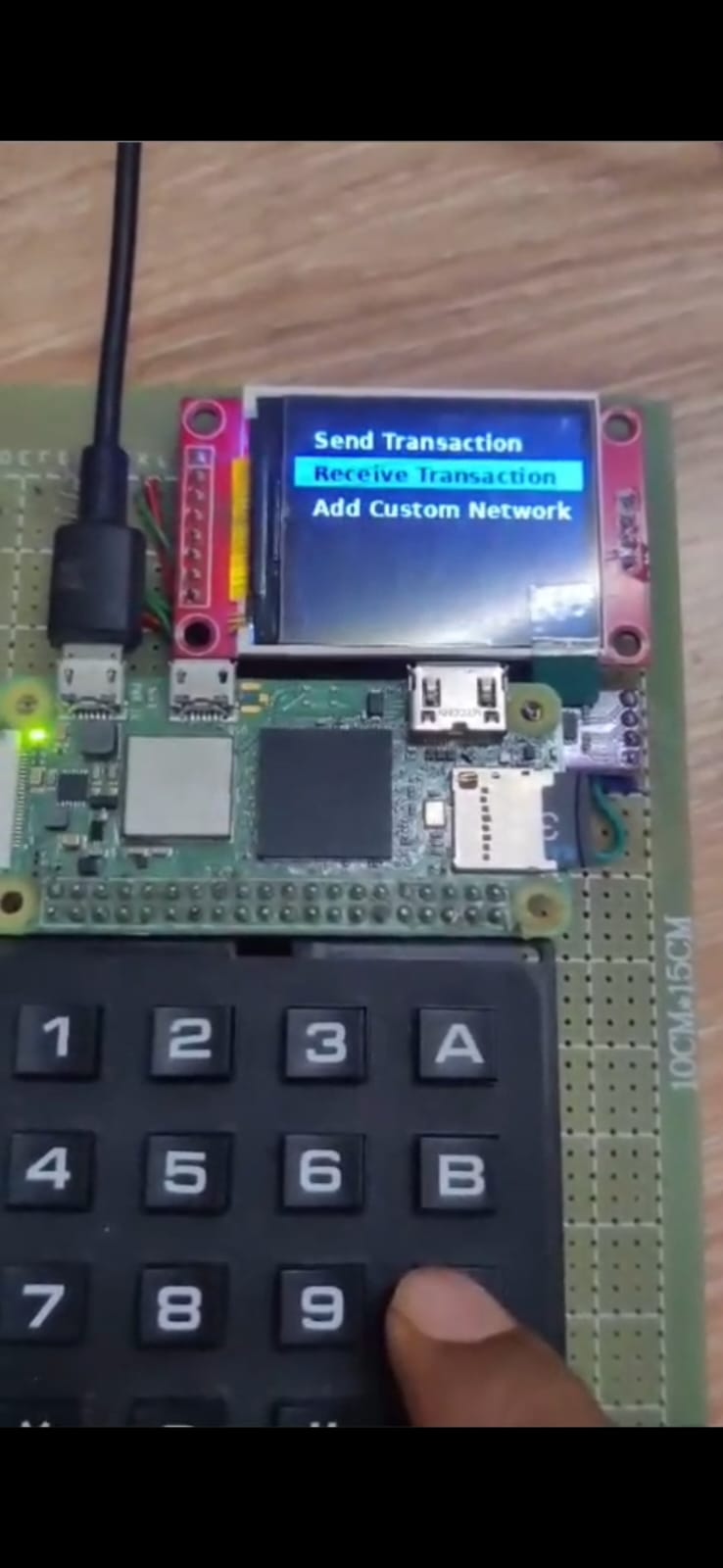
Offline hardware wallet with secure-element-based key protection, built for XDC Network — private keys are generated, stored, and used for signing entirely inside an ATECC608A secure element and never leave the air-gapped device.
Overview
For XDC Network, I designed the architecture for an air-gapped hardware wallet — a device that keeps private keys permanently isolated from any networked system, using the ATECC608A secure element for hardware-backed key generation, storage, and cryptographic signing. The design ensures private keys never leave the device, even during the act of signing a transaction.
Challenge
Cryptocurrency wallets are one of the highest-value targets in embedded security, because a single leaked private key means an irreversible loss of funds. An air-gapped wallet has to solve a genuinely hard problem: how do you sign a transaction using a key that never touches a network-connected device — without breaking the workflow for the end user?
- The private key must never exist in a form reachable by malware, remote exploits, or a compromised host computer
- Transaction data still has to move between the online world (where the transaction is built and broadcast) and the offline device (where it's signed) — that transfer path is itself an attack surface if not carefully designed
- The device firmware itself has to resist tampering — if an attacker can flash malicious firmware, the "air gap" is meaningless
- All of this has to work reliably enough for a real product, not just a lab proof of concept
Approach
Air-gapped architecture
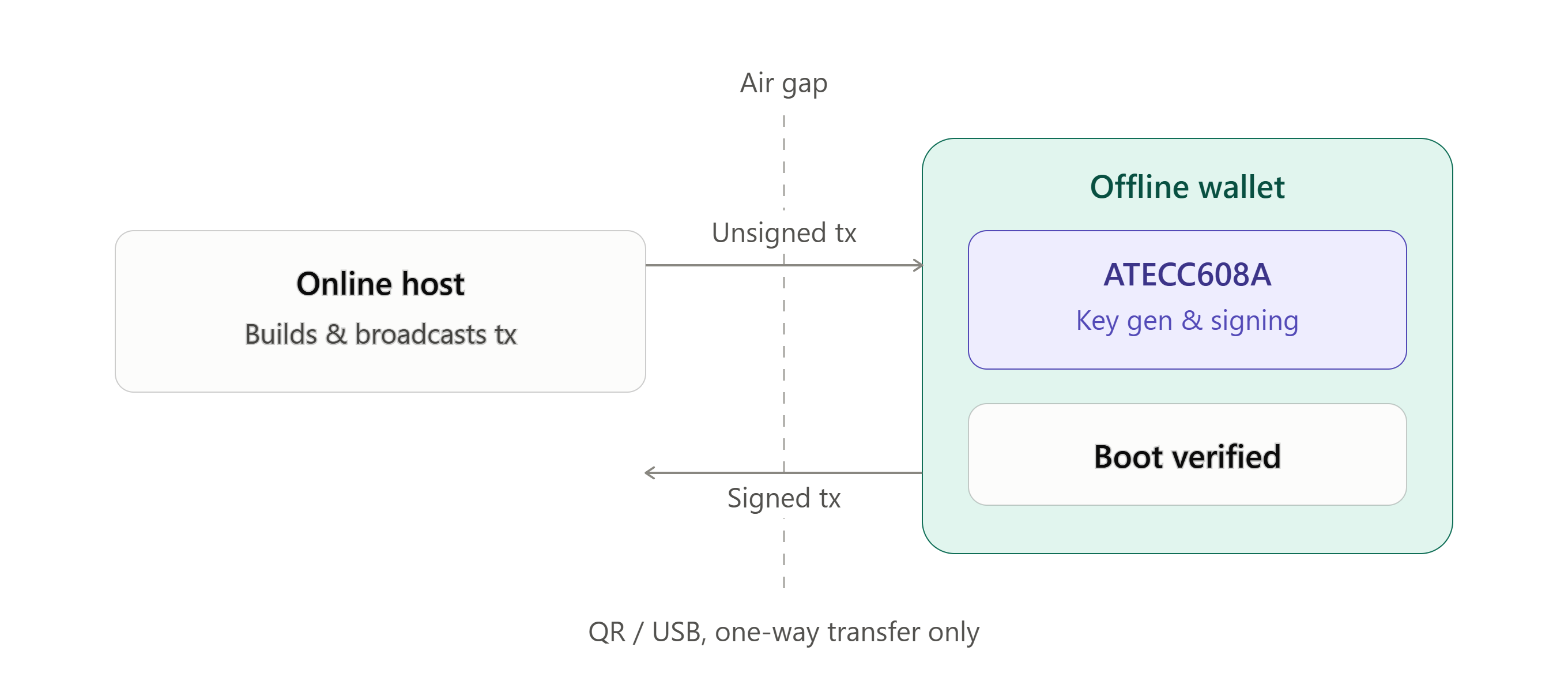
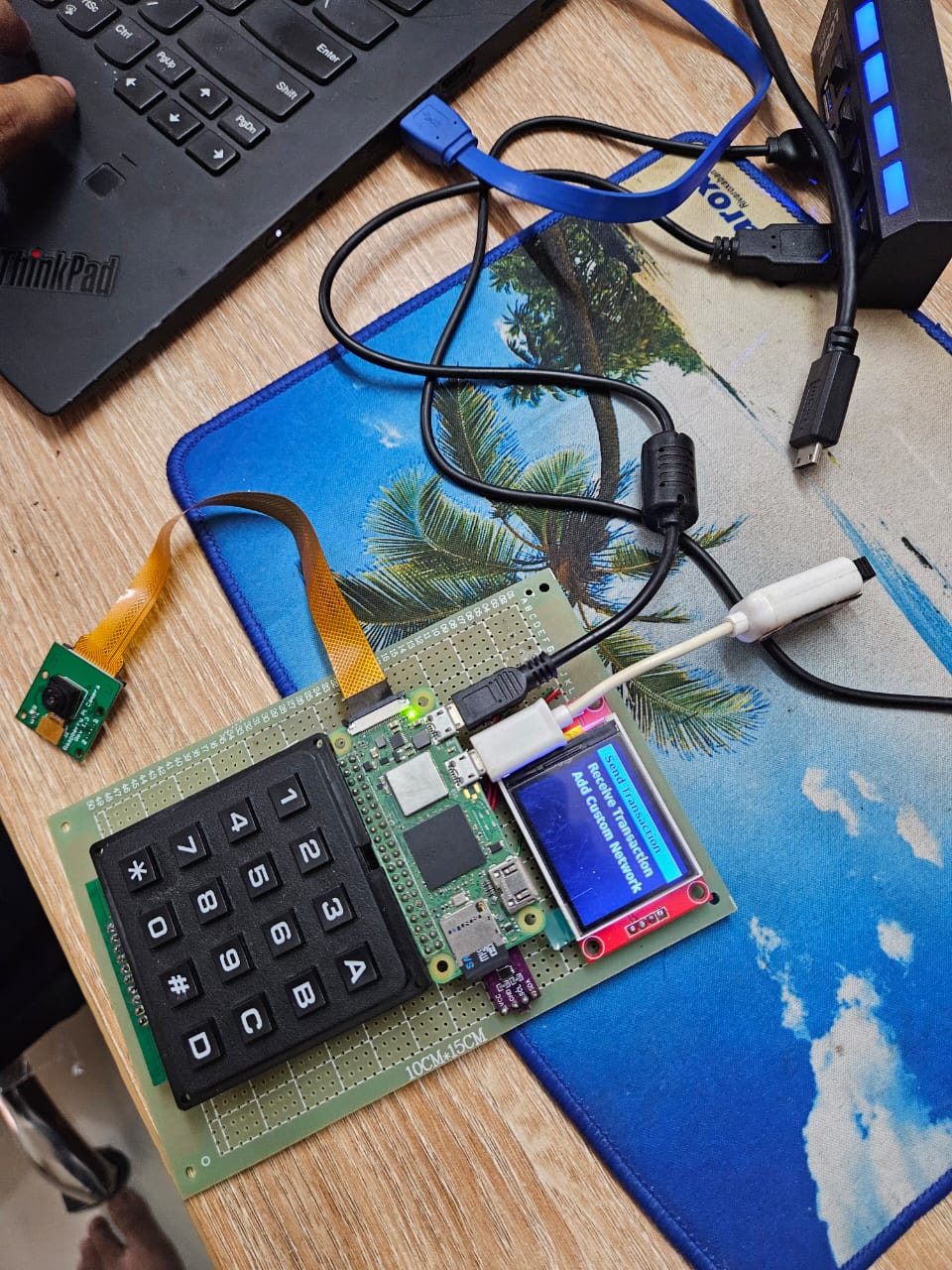
Designed the wallet so it has no direct electrical or network connection to the host computer or internet while signing. Transaction data crosses the boundary only through a one-way, human-verifiable channel (QR code / USB in transfer-only mode): the host builds an unsigned transaction, passes it across the air gap, the wallet signs it internally, and only the signed transaction — not the key — comes back across.
Secure element integration (ATECC608A)
Integrated the ATECC608A as the hardware root of trust: private keys are generated and stored inside the secure element itself, and cryptographic signing happens inside that chip's protected boundary. The private-key material never enters general MCU memory, where it would be reachable via firmware bugs or debug interfaces.
Encrypted communication
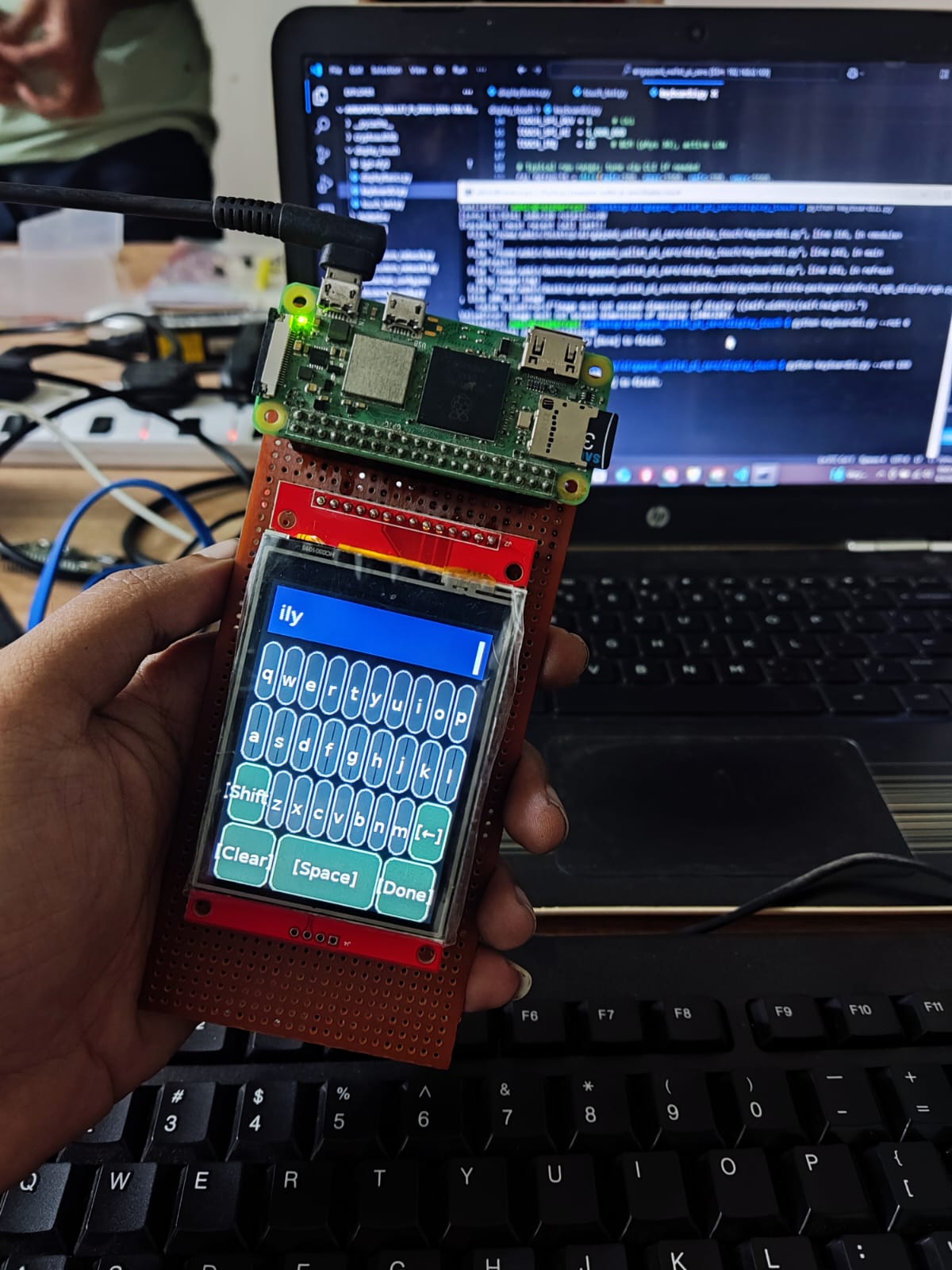
Implemented encrypted communication for any data channel touching the device, protecting transaction data and metadata in transit even across the trusted boundary.
Secure boot
Implemented secure boot practices so the device verifies its own firmware integrity before executing it, closing the tampering path that would otherwise undermine the hardware-backed key protection.
Results
Why it matters (industry)
This is a real hardware-security product pattern: root of trust in silicon, not software. The ATECC608A guarantees that key material never exists anywhere a software exploit could reach it, while secure boot closes the supply-chain / tampering vector that "the key is safe" claims usually gloss over. This is directly relevant to any embedded role touching payments, identity, IoT device provisioning, or secure firmware — domains where "trust me, it's encrypted" isn't good enough and the hardware itself has to enforce the guarantee.

Why it matters (academic / technical depth)
This project is a compact, complete case study in applied embedded security: hardware root-of-trust design, secure-element integration, secure-boot chain-of-trust, and air-gap protocol design (the genuinely interesting systems problem of moving data across a trust boundary without moving the secret). It touches cryptographic engineering, threat modelling, and embedded systems design simultaneously — a good example of security-by-architecture rather than security-by-obscurity.

182 views